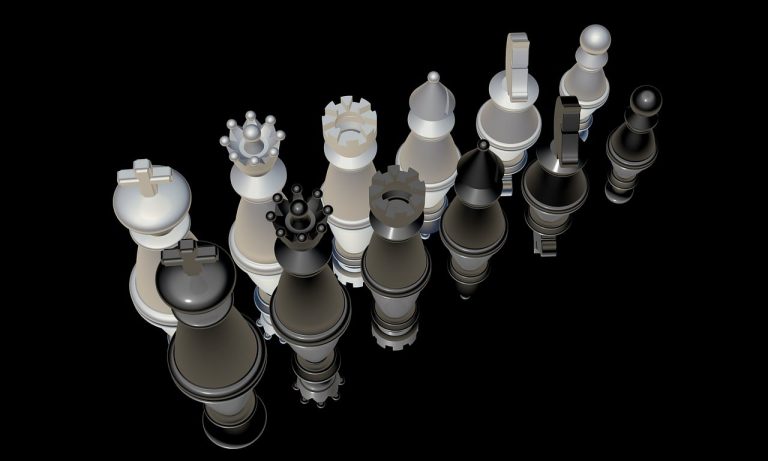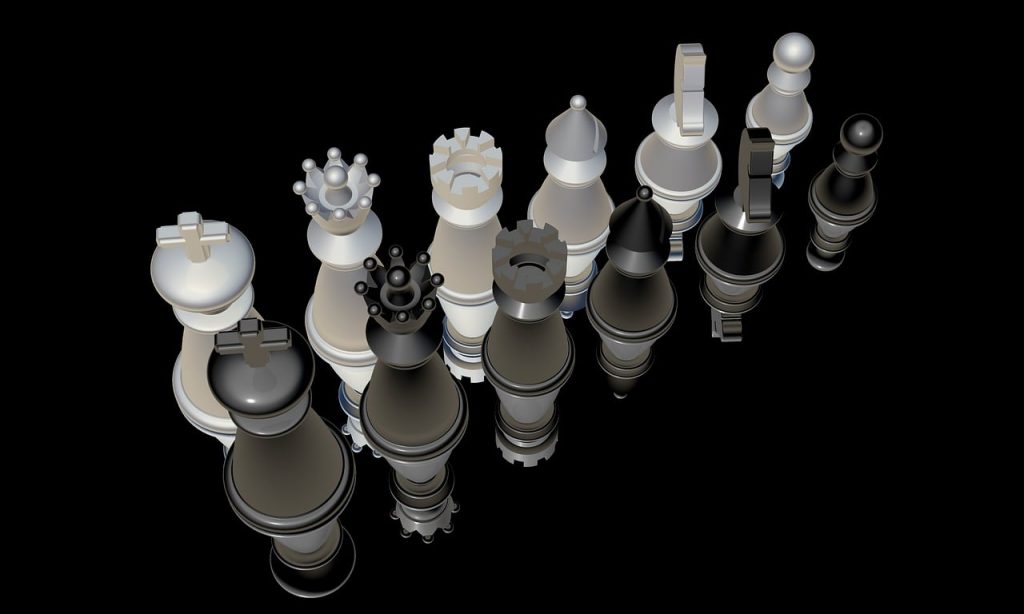
LEGO secured the patent for its iconic binding brick in 1958, yet the company didn’t release an official chess build until 2005. For enthusiasts who spend their downtime building and curating collections, this nearly fifty-year gap seems counterintuitive. After all, chess offers an obvious, marketable bridge to a wider demographic. The delay, however, was likely strategic. In 2005, LEGO was still laser-focused on children, only pivoting to the adult market in earnest around 2007 and embracing “lifestyle branding”—integrating brick-built décor into living spaces—well into the 2020s. What consumers take for granted today was unprecedented two decades ago, when the majority of releases were miniature playsets rather than display pieces.
A Brief History of LEGO Chess
The timeline of these sets reveals a rapid evolution in design. The inaugural release, the Knights’ Kingdom Chess Set (2005), was an expansion of the Castle brand, featuring the Shadow Knights led by the sorcerer Vladek against King Matthias’s forces. This was followed in 2006 by the Vikings Chess Set, a similar build that swapped standard armor for archetypal horned helmets. By 2007, the concepts became more adventurous with the Castle Chess Set, which pitted crown knights against an undead army featuring standout Grim Reaper bishops wielding massive scythes.
The most significant leap in quality occurred in 2008 with the release of the Giant Chess Set. At over two feet wide, this remains the most ornate board the company has ever produced. It abandoned the traditional studded surface for a smooth, elegant finish and included four miniature “realm” builds. The pieces were intricate, with wizards serving as bishops and fortified siege towers acting as rooks. The 2000s run concluded with the 2009 Pirates Chess Set, a favorite among fans for its variety; unlike the uniform naval officers, every pirate pawn had a unique costume, and the knight was hilariously depicted as a curly-tailed monkey armed with a knife.
The Challenge of Solo Play
While LEGO mastered the aesthetic of the board, the game of chess itself suffers from a fundamental logistical flaw: it requires two participants. Although playing against an AI on a screen has been possible for decades, it lacks the tactile satisfaction of handling physical pieces. Merging the convenience of computer chess with the sensory experience of a real board is notoriously difficult. You generally have two options: tell the player to move the computer’s pieces for them, or engineer a mechanism to move the pieces automatically.
Engineering a Self-Playing Board
Maker Joshua Stanley recently tackled this engineering challenge by constructing a custom self-playing chessboard robot. In a demonstration video, Stanley detailed a system that allows a computer to physically move pieces against a human opponent. He utilized a Printed Circuit Board (PCB) as the playing surface, mounting Hall effect sensors underneath. These sensors detect magnets embedded within 3D-printed chess pieces, allowing the system to track the board state in real-time.
The intelligence behind the board is an ESP32 microcontroller running the open-source Stockfish chess engine. When the human player moves a piece, the change in magnetic presence is registered and sent to the engine. To respond, the system uses CoreXY kinematics to maneuver an electromagnet beneath the PCB. This magnet engages, grabs the target piece through the board, and drags it to its new square.
Innovation and Limitations
The project is a functional success, though it highlights the difficulties of “ghost” chess. Stanley noted that the current iteration has trouble with pieces like knights, which can inadvertently knock over other pieces while sliding across the board. Furthermore, the sensors can only detect the presence of a magnet, not the specific identity of the piece, which limits the board’s ability to flag invalid moves or assist beginners with setup.
Despite these hurdles, the build introduces a fascinating aesthetic possibility. By using a PCB as the board, creators can leverage modern manufacturing techniques, such as multi-colored silkscreens, to create custom graphics and designs. Just as LEGO moved from simple playsets to elaborate lifestyle pieces, the world of DIY robotics is slowly transforming the classic chessboard into a dynamic, interactive canvas.